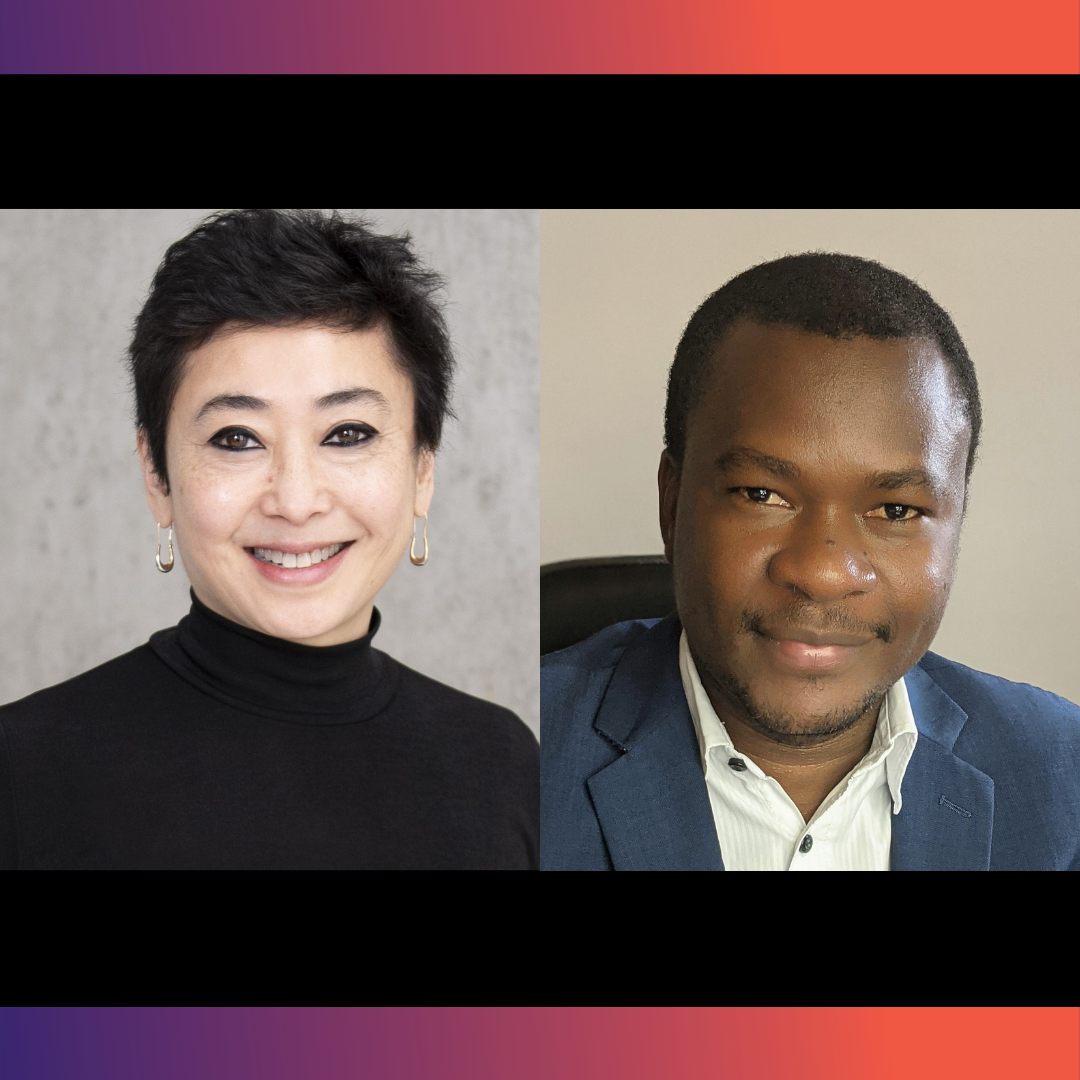
Muriel Mac-Seing, Assistant Professor at the Université de Montréal’s School of Public Health and Researcher at the Centre de recherche en santé publique (CReSP), studies inequities in access to health services, particularly in sexual and reproductive health, climate justice, and AI. Her research, focused on people with disabilities and vulnerable populations, combines mixed, qualitative, and intersectional methods to advance health equity and social justice, both in Canada and globally.
Jean Noel Nikiema is an Associate Professor of Digital Health whose research focuses on advancing trustworthy artificial intelligence grounded in the realities of healthcare practice. His work adopts a distinctly sociotechnical perspective, with particular emphasis on aligning data standards and data quality with clinical workflows, while integrating methodological rigor with organizational feasibility.
His research highlights interoperability, auditability, and explainability as fundamental prerequisites for the safe and responsible development and deployment of learning-based systems in healthcare. Governance and equity are likewise treated as integral design requirements rather than downstream considerations. Working collaboratively with clinicians, health system partners, and decision-makers, his overarching objective is to translate the potential of artificial intelligence into demonstrable value for health systems, including more informed decision-making, improved experiences for patients and healthcare professionals, and the responsible stewardship of public resources.
Breakout Session:
Equitable and Inclusive AI: Removing Barriers for People with Disabilities – Lessons from the Health Sector
AI dominates headlines, promising technological advancements, improved efficiency in health, education, communication, and employment. Yet, its benefits remain elusive for the 16% of people with disabilities worldwide, 27% in Canada, who are often excluded by design. In this presentation, we will share the latest evidence on disability inclusion in the healthcare sector, drawing from a scoping review and intersectoral perspectives from AI experts and the lived experience of people with disabilities. We will also explore actionable ways forward to ensure no one is left behind.